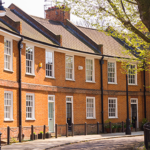
A home purchased in 2025 was three times more likely to expose its owner to inheritance tax (IHT) than in 2009, according to new research by law firms.
Analysis of HMRC data reveals that in 2009, just 13% of all property purchases in England and Wales (83,266 of 625,205) were at or above the £325,000 IHT threshold.
By 2025, that proportion had surged to 41% (281,734 of 681,054).
The £325,000 nil-rate band has remained frozen since 2009 and is set to stay at that level until at least 2031, despite sustained house price growth and inflation – steadily pulling more households into the inheritance tax net.
The East Midlands recorded the sharpest increase over the 16-year period, with 24% of homes sold in 2025 priced at £325,000 or more, compared with just 5% in 2009.
Wales ranked second (20% in 2025 versus 4% in 2009), followed by the West Midlands (28% versus 7%).
Inheritance tax is payable when an estate – including property, savings and possessions – exceeds £325,000.
The standard rate is 40% on the value above that threshold.
In the latest financial year (2024/25), inheritance tax receipts reached a record £8.25 billion, up from £7.5 billion in 2023/24.
Where a main residence is left to direct descendants, the residence nil-rate band can increase the tax-free allowance by up to £175,000, potentially lifting the total threshold to £500,000.
However, number of homes purchased for £500,000 or morehas also more than trebled over the same period (18% in 2025 compared with 5% in 2009).
Wales saw the largest growth at 645%, followed by the East Midlands (604%) and the West Midlands (584%).
As estate values increase – and as pensions begin to fall within the inheritance tax net – the potential for contested wills may also rise, the law firms claim.
The firms behind the analysis were Shakespeare Martineau, Mayo Wynne Baxter, and Lime Solicitors.