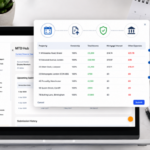
A lettings industry body is calling on the government to ensure the upcoming Private Rental Sector database is strong enough to drive out rogue landlords.
The database will be compulsory and will require landlords to pay a fee to be listed. It’s being trialled at the moment and is scheduled to be unveiled later this year.
Now The Lettings Industry Council (TLIC) says the database must improve levels of compliance, transparency and tenant safety in the private rented sector.
In a report out this week TLIC calls on the government “to take urgent steps to ensure the database fulfils its purpose of driving out rogue and criminal landlords from the market.”
It concludes that unless a clear strategy underpinned by clear priorities is introduced, the database will simply be unable to deliver on its objectives.
TLIC’s report states that the database must be guided by six core principles:
- Clarity – clearly identify landlords, agents, and properties by adopting the Unique Property Reference Number (UPRN) system;
- Flexibility – recognising the complex reality of legal ownership structures, such as companies, trusts and joint ownership arrangements;
- Intuitiveness – Making the process user-friendly and genuinely useful for all users;
- Access to compliance – providing tenants access to relevant compliance information to help decision-making act and safeguard against unsafe housing;
- Digital efficiency – Digitally integrating property safety records and compliance documents to avoid administrative delays and duplication of work;
- Proportionate implementation – taking steps to understand what operational realities are like for landlords and agents. Deploying the database to help, rather than hinder businesses.
Theresa Wallace, co-chair of TLIC says: “As it stands the government risks missing an opportunity to build a PRS database adapted to meet the fast-changing needs of the market.
“The best way forward is for the government to adopt a collaborative, pragmatic approach to its introduction during the next stage of rental reform.
“With phase two of the Renters Rights Act’s implementation rapidly approaching, now is the time for the government to consider how it can help agents and landlords as they plan their transition towards this new system.
“If the PRS database is to have any chance of success, the government has to take decisive steps which encourage effective engagement with the database on the part of stakeholders.
“If they fail to take this approach, the database will only become an expensive waste of resource.”