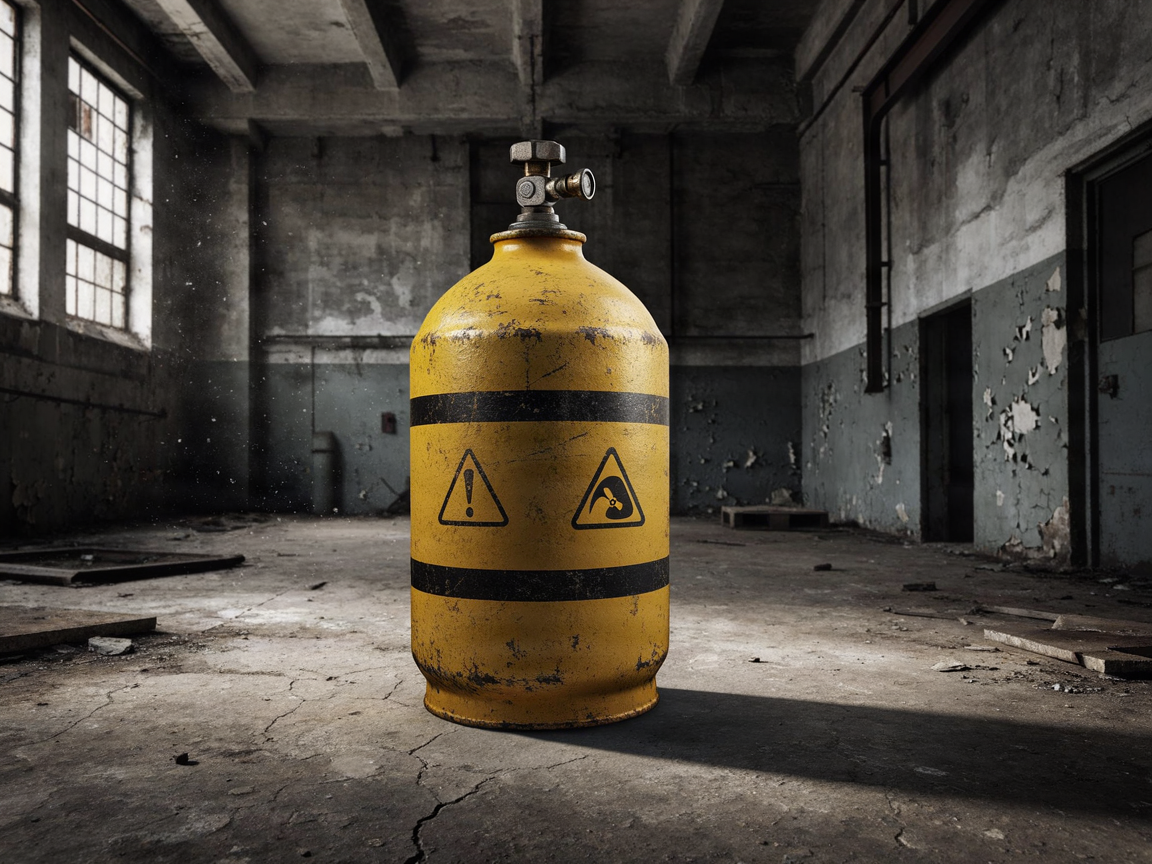
Landlords are being warned about an invisible, odourless radioactive gas linked to an estimated 1,100 lung cancer deaths in the UK each year.
While radon has traditionally been associated with regions such as the South West of England, updated mapping published refined estimates of radon potential across Britain.
Yet four years on, many remain unaware that they could be at risk from radon exposure in their homes.
The UK Radon Association (UKRA) is highlighting five areas to raise awareness of this hidden health risk.
They are Barry, Brighton & Hove, Coventry, Leeds and Lincoln – areas where the most recent geological mapping has changed the estimated likelihood of properties containing higher levels of radon.
All areas of the UK have been mapped and given a risk rating, estimating the percentage of homes in an area likely to have high radon concentrations.
Ratings range from a less than 1% chance to a greater than 30% chance.
A “Radon Affected Area” is one where the estimated probability of a home having high radon levels is 1% or higher.
In some locations, the updated mapping presents a very different picture of radon risk:
- Brighton & Hove: previously categorised as 1-3% risk, now many parts of the city are in a 5-10% risk area, meaning up to 1 in 10 homes could be affected;
- Barry: 83% of the mapped area of the CF62 postcode district now falls within the 10-30% risk band, upgraded from 5-10% risk in the previous indicative map;
- Coventry: previously not a designated radon affected area, much of the city and its surrounding area is now in the 5-10% risk band, with some parts at 10-30% risk;
- Leeds: areas in and around Leeds have seen rises, with the suburb of Farsley to the west of the city rising from a less than 1% risk to 5-10% risk;
- Lincoln: areas to the east and south of the city are now deemed to have greater than 30% risk, meaning more than 1 in 3 homes could be affected.
Dr Maria Dugdale, chair of the UK Radon Association, says: “It’s important to be clear that radon levels haven’t suddenly spiked in these areas.
“Radon has always been present, however modern mapping technology coupled with increased numbers of test results gave us a far clearer picture back in 2022.
“The problem is that public awareness hasn’t kept pace with the data.
“Large numbers of people are still relying on outdated assumptions about where radon risk exists or remain unfamiliar with the risks posed by the gas.”
UKRA is calling on people to:
- Check the latest UK radon map at www.radonweek.co.uk;
- Order a radon test if they live in a 1-3% risk band or higher;
- Review workplace radon risks in accordance with HSE guidelines;
- Take action if testing reveals elevated radon levels in the building.